
Dental

September 3, 2026

Understanding Braces Adjustments: What Happens During Your Orthodontic Appointments

The Journey to a Straighter Smile

Orthodontic treatment represents a significant commitment, and understanding what occurs during adjustment appointments can help patients feel more comfortable throughout their journey. These regular visits form the cornerstone of successful treatment, ensuring that teeth move gradually and safely into their desired positions. For those considering or currently undergoing treatment with braces Balwyn residents and patients elsewhere will benefit from knowing what to expect during these essential appointments.

Each adjustment appointment serves a specific purpose in the overall treatment plan, with orthodontists carefully monitoring progress and making necessary modifications. These visits typically occur every four to eight weeks, depending on individual treatment requirements and the type of orthodontic appliance being used. The frequency allows sufficient time for teeth to respond to the applied forces whilst ensuring the treatment remains on track.

What Takes Place During an Adjustment Appointment

Initial Assessment and Examination

At the beginning of each appointment, the orthodontist conducts a thorough examination of the patient’s mouth and current progress. This assessment involves checking how teeth have moved since the previous visit and evaluating the condition of the orthodontic appliances. The practitioner looks for any signs of concern, such as loose brackets, broken wires, or areas requiring additional attention. This careful evaluation ensures that treatment progresses according to plan and allows for timely intervention if any issues arise.

Wire Adjustments and Replacements

One of the primary tasks during an adjustment appointment involves modifying or replacing the archwire that runs through the brackets. As treatment progresses, orthodontists typically use increasingly thicker or more rigid wires to apply greater pressure and achieve more precise tooth movements. The practitioner removes the existing wire, assesses the progress, and then inserts a new wire that continues guiding teeth towards their ideal positions. This process may involve some temporary discomfort as the mouth adjusts to the new forces being applied.

Understanding Braces Adjustments: What Happens During Your Orthodontic Appointments

Elastic Bands and Additional Components

During adjustment appointments, orthodontists often address elastic bands and other auxiliary components that play crucial roles in treatment. These small but important elements help correct bite issues and ensure proper alignment between upper and lower teeth. Patients receive instructions on how to wear these elastics correctly, including guidance on placement, duration, and replacement schedules. The orthodontist may also add or remove other components such as springs, chains, or power chains, depending on the specific movements required at that stage of treatment.

Cleaning and Maintenance

A thorough cleaning forms an integral part of each adjustment appointment. The orthodontist or dental hygienist removes any accumulated plaque or debris around the brackets and wires, areas that can be challenging for patients to clean at home. This professional cleaning helps maintain oral health throughout treatment and reduces the risk of complications such as decay or gum inflammation. Patients also receive personalised advice on improving their home care routine and addressing any areas of concern.

Managing Discomfort After Adjustments

Following an adjustment appointment, patients commonly experience some degree of tenderness or sensitivity as teeth respond to the newly applied forces. This discomfort typically peaks within the first 24 to 48 hours and gradually subsides over the following days. Those seeking information about managing post-adjustment discomfort will find that soft foods and over-the-counter pain relief can help during this period. Orthodontists provide specific recommendations tailored to individual needs, ensuring patients remain comfortable throughout their treatment journey.

Moving Forward with Confidence

Understanding the adjustment process empowers patients to approach their orthodontic appointments with confidence rather than apprehension. Each visit represents another step towards achieving the desired smile, with orthodontic treatment following a carefully planned sequence of movements. Regular communication with the orthodontist ensures that any concerns are addressed promptly, and patients remain informed about their progress. The dedication required for attending these appointments and following care instructions ultimately leads to the rewarding outcome of a beautifully aligned smile that lasts a lifetime.
February 3, 2026

Unravelling the Connection Between Braces and Speech Clarity

Understanding the Speech-Orthodontics Connection

The relationship between orthodontic treatment with braces Liverpool and speech patterns represents one of the most fascinating aspects of dental care. When patients embark on their journey with orthodontic appliances, they often discover that their speech undergoes temporary changes that can initially feel quite pronounced. This phenomenon occurs because the mouth, tongue, and teeth work together as a sophisticated system for producing clear, articulate speech.

Speech production relies heavily on the precise positioning of the tongue against various surfaces within the oral cavity. The teeth serve as crucial reference points for many consonant sounds, particularly those requiring tongue-to-tooth contact. When orthodontic appliances are introduced, they temporarily alter the familiar landscape of the mouth, requiring patients to adapt their speaking patterns accordingly.

How Orthodontic Appliances Initially Affect Speech

The initial period following the placement of orthodontic appliances typically brings about noticeable changes in speech clarity. Patients frequently report difficulty with certain sounds, particularly sibilant consonants such as ‘s’, ‘z’, ‘sh’, and ‘th’. These sounds require precise tongue positioning, and the presence of brackets, wires, or other orthodontic components can temporarily interfere with the tongue’s usual placement patterns.

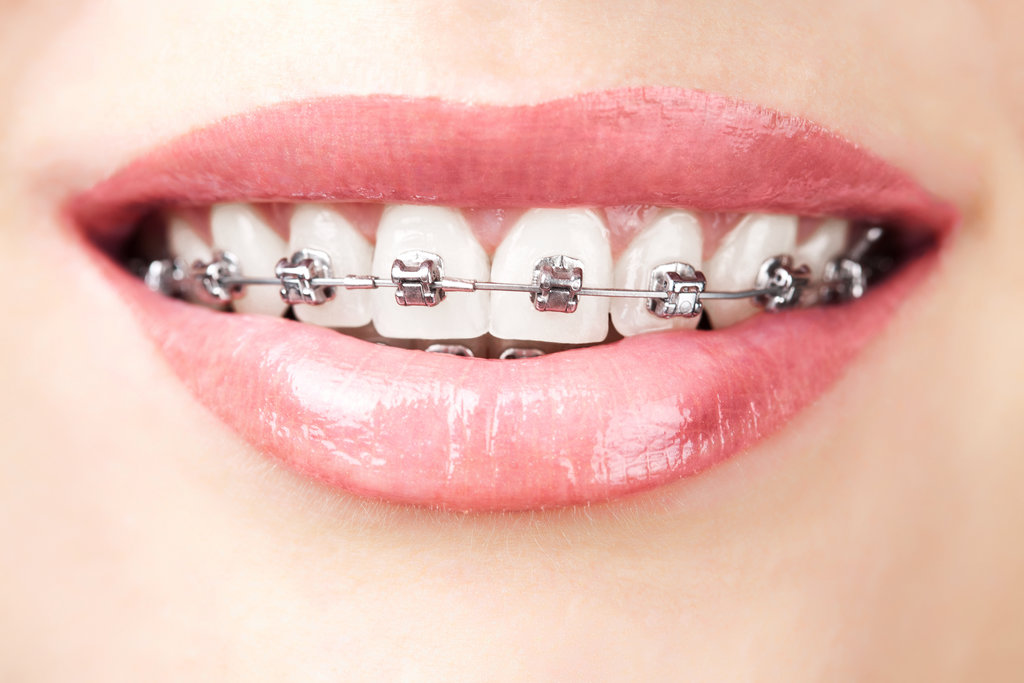
Traditional metal braces tend to create the most significant initial speech adjustments, as they add bulk to the front surfaces of the teeth. Patients seeking braces often express concerns about how their appliances might affect their professional or social interactions during the adjustment period.

Unravelling the Connection Between Braces and Speech Clarity

Common Speech Challenges During Early Treatment

  • Lisping or whistling sounds when pronouncing ‘s’ and ‘z’
  • Difficulty with ‘th’ sounds, which may sound more like ‘d’ or ‘t’
  • Altered pronunciation of ‘f’ and ‘v’ sounds
  • General feelings of thickness or clumsiness when speaking
  • Increased saliva production affecting speech flow

These challenges represent normal adaptations rather than permanent impediments. The human brain demonstrates remarkable plasticity in adjusting motor patterns, and most patients find their speech returning to normal clarity within a few weeks of beginning treatment. Understanding how orthodontic treatment impacts speech patterns helps patients prepare mentally for this temporary adjustment period.

The Adaptation Process and Timeline

The remarkable ability of the human speech apparatus to adapt to orthodontic appliances typically unfolds over several weeks. During this period, patients unconsciously retrain their tongue movements and airflow patterns to accommodate their new oral environment. Most individuals experience significant improvement in speech clarity within two to four weeks, though complete adaptation may take up to eight weeks for some patients.

Practice exercises can accelerate this adaptation process considerably. Reading aloud, particularly focusing on challenging sounds, helps retrain muscle memory more quickly. Many orthodontists recommend dedicating ten to fifteen minutes daily to vocal exercises, emphasising problematic consonants and practising tongue twisters that target specific sound combinations.

Strategies for Faster Speech Adaptation

  1. Regular reading practice with emphasis on clear articulation
  2. Tongue exercises to improve flexibility and positioning
  3. Speaking slowly and deliberately during the initial weeks
  4. Recording oneself speaking to monitor progress objectively
  5. Maintaining consistent oral hygiene to prevent additional complications

Long-term Speech Improvements Through Orthodontic Treatment

Beyond the initial adjustment period, orthodontic treatment frequently delivers substantial long-term improvements in speech clarity. Patients with significant malocclusions, overcrowding, or spacing issues often discover that their speech becomes clearer and more precise than it was before treatment began. Research on orthodontic treatment and speech enhancement consistently demonstrates these positive outcomes.

Severe bite irregularities can create permanent speech impediments that individuals may not even recognise until after correction. Overbites, underbites, and crossbites all influence tongue positioning and airflow patterns in ways that can subtly affect speech clarity throughout life. Professional orthodontic intervention can significantly enhance speech quality by addressing these underlying structural issues.

The psychological benefits accompanying improved speech clarity often prove equally valuable. Patients report increased confidence in professional settings, enhanced social interactions, and reduced self-consciousness about their speaking voice. These improvements extend far beyond mere aesthetic considerations, touching fundamental aspects of communication and self-expression.

Making the Most of Your Orthodontic Journey

The temporary speech adjustments associated with orthodontic treatment represent a small investment towards achieving both improved dental health and enhanced speech clarity. Understanding this process helps patients approach their treatment with realistic expectations and appropriate preparation strategies. The combination of patience, practice, and professional guidance ensures that individuals can navigate this transition successfully whilst working towards their ultimate goal of a healthier, more confident smile.